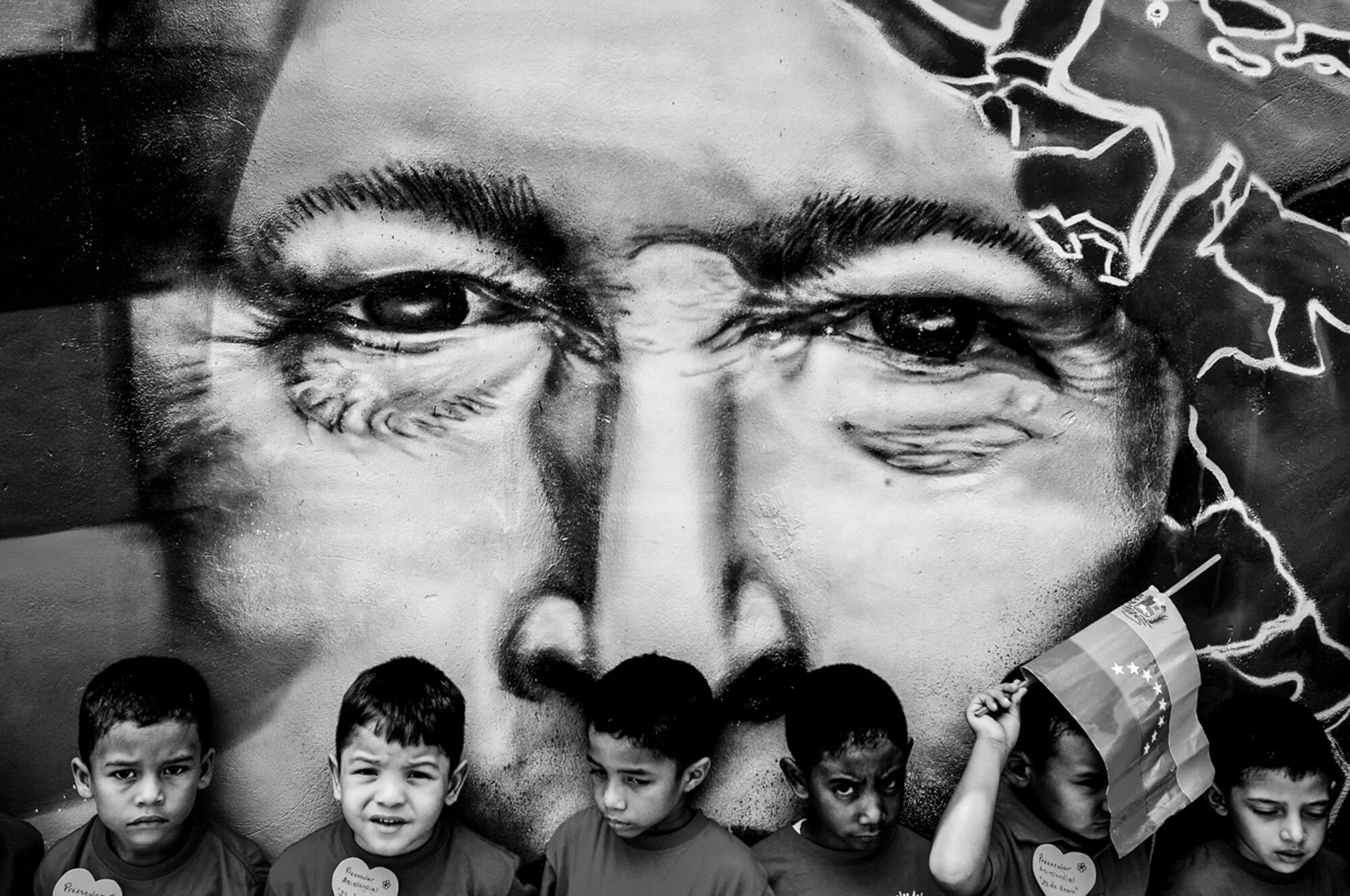
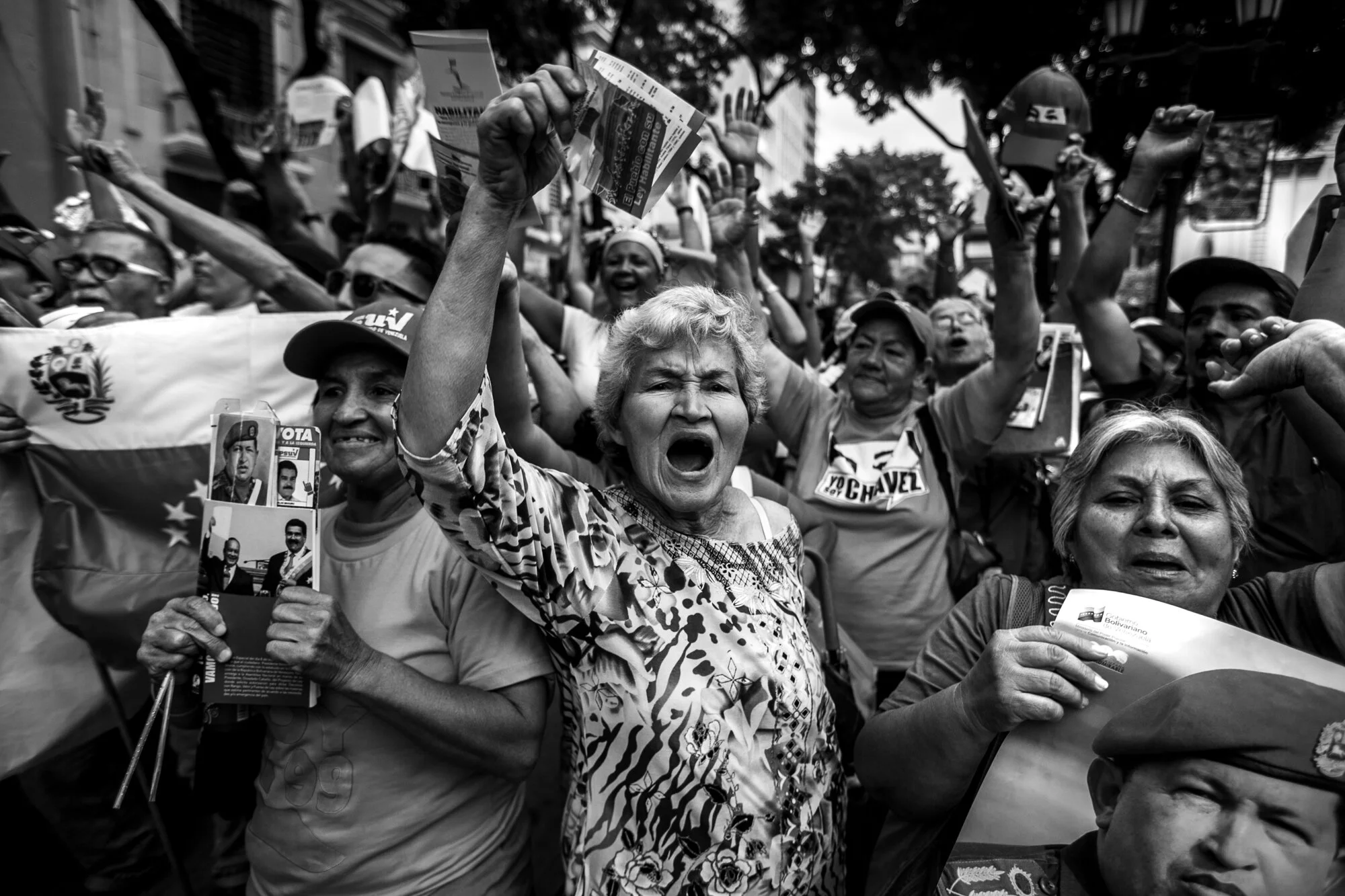
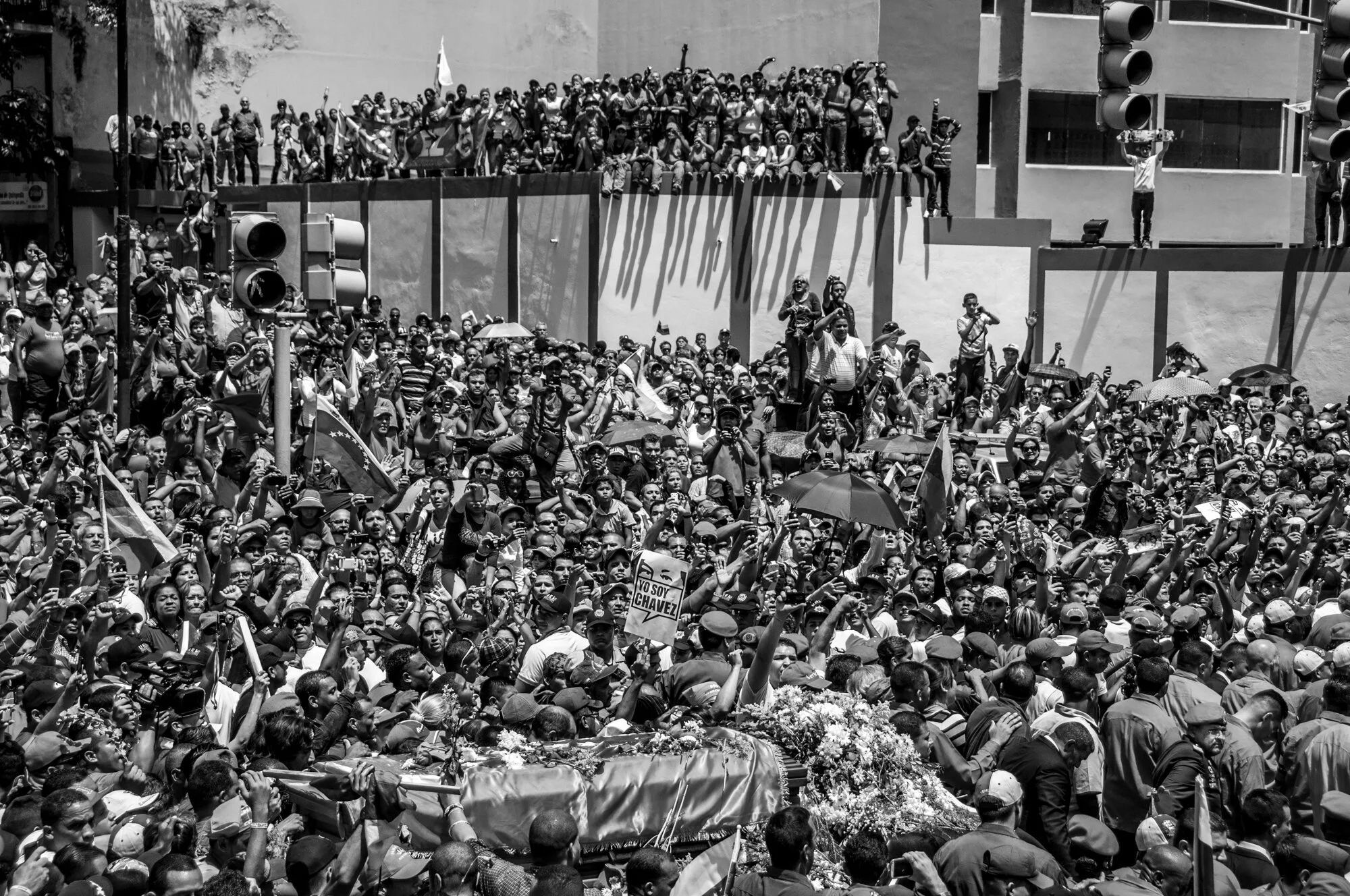

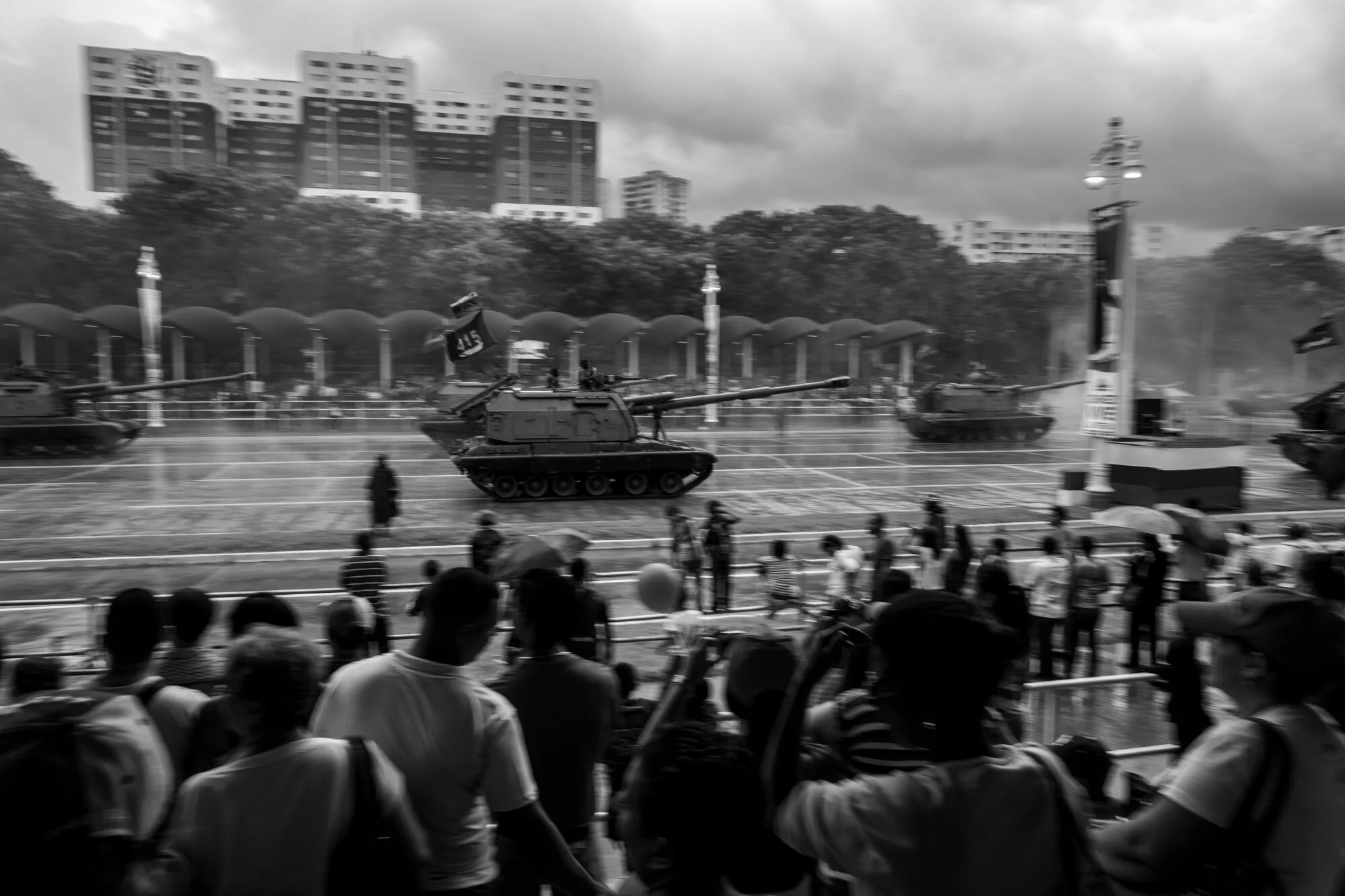

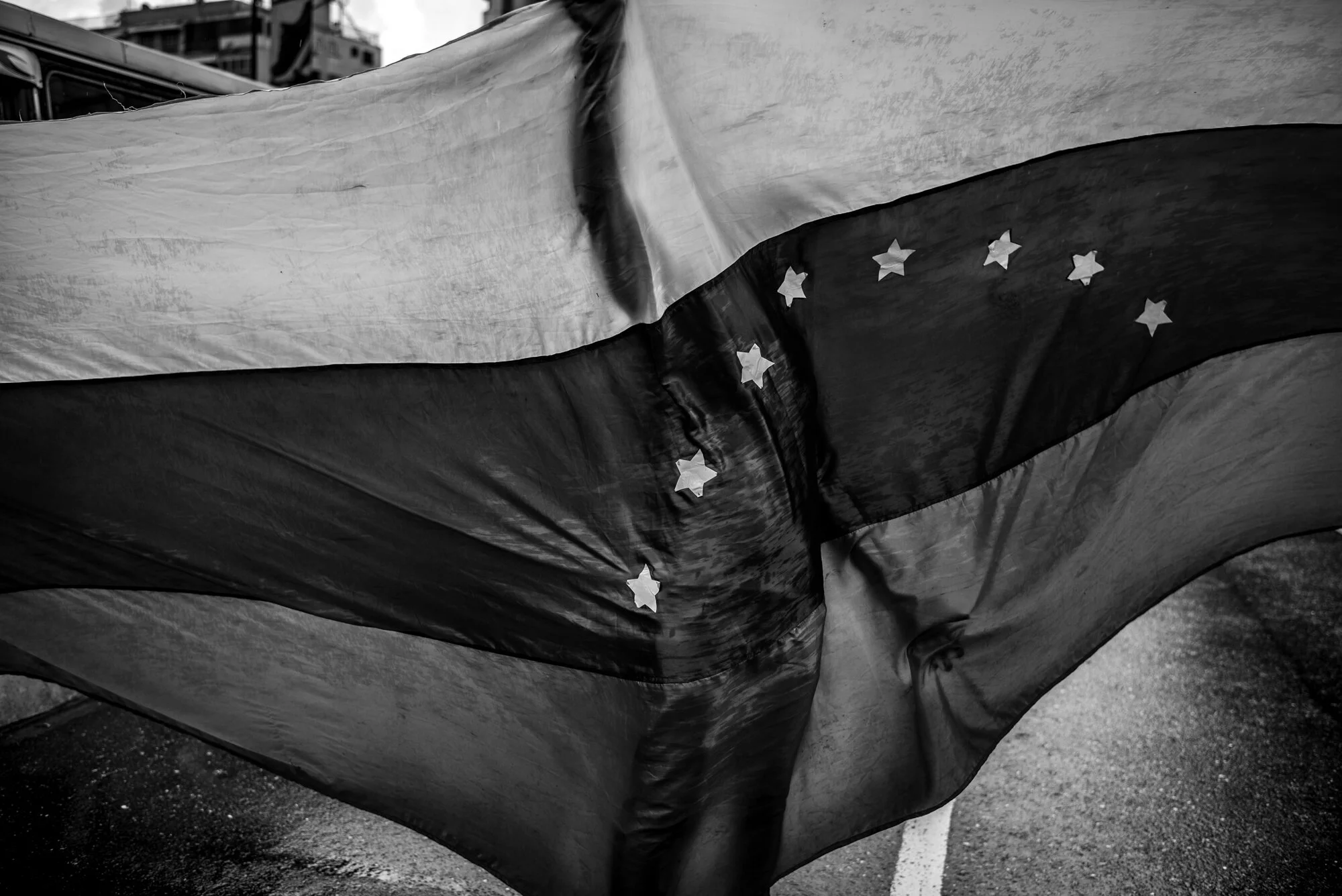
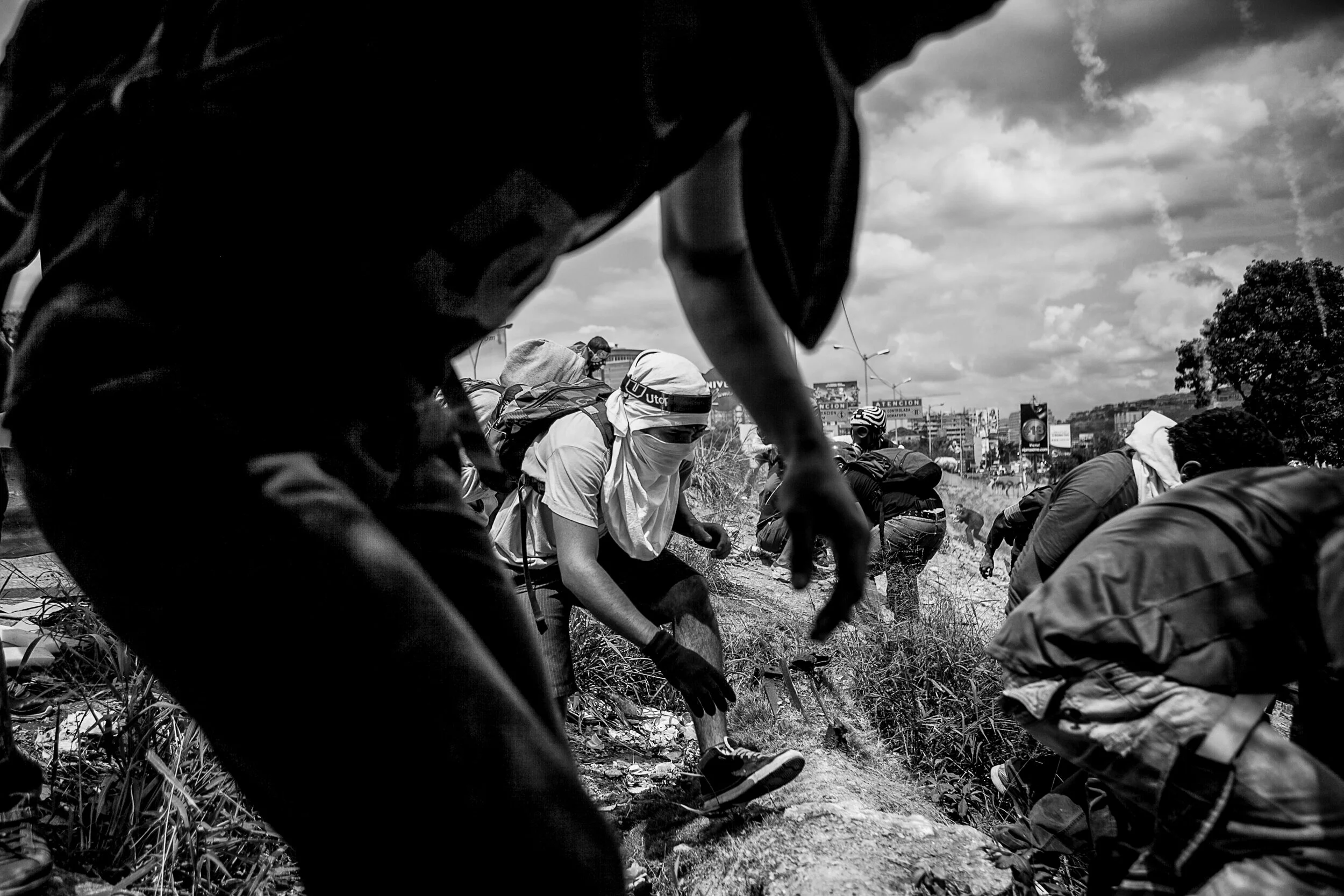
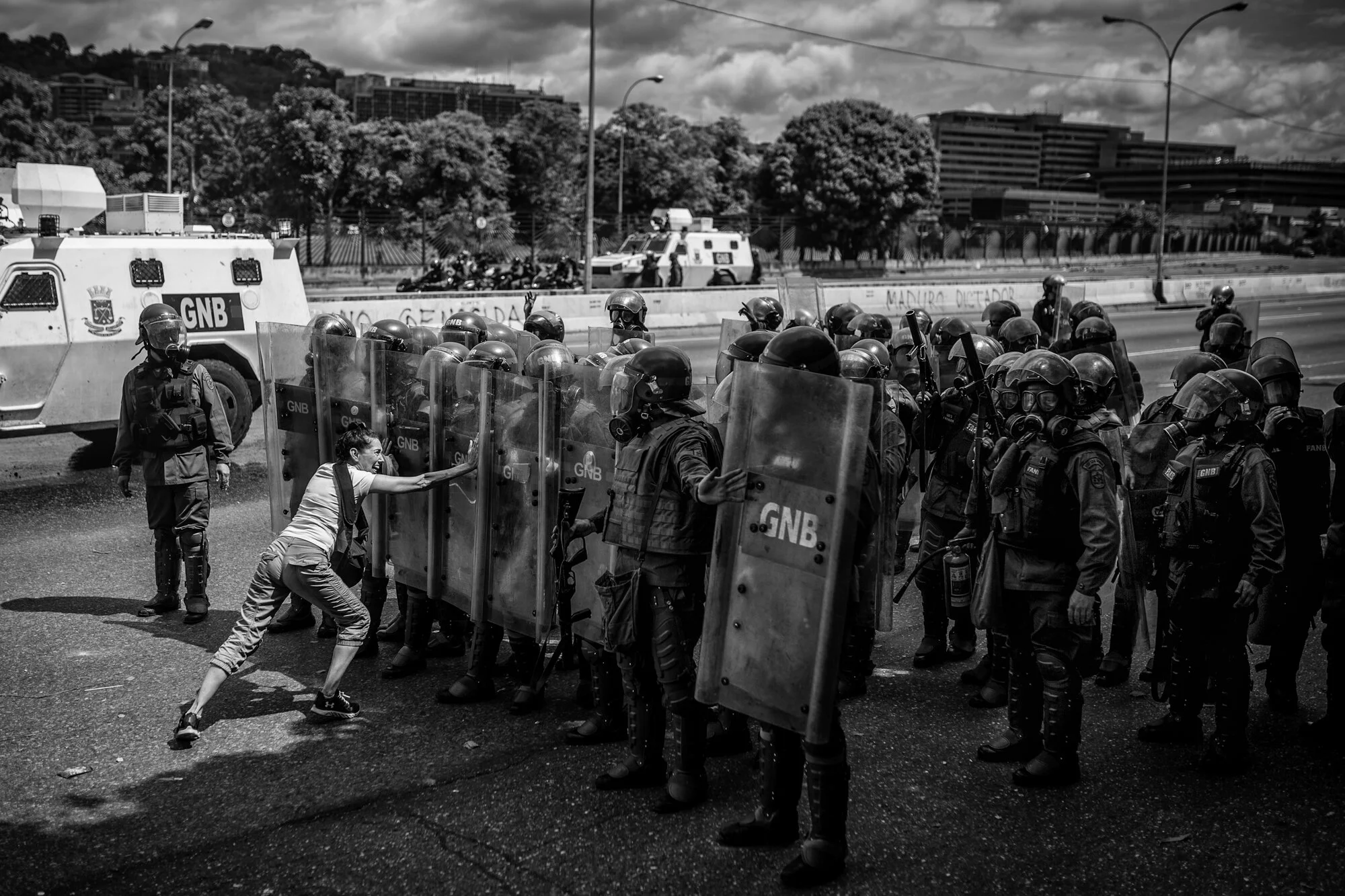



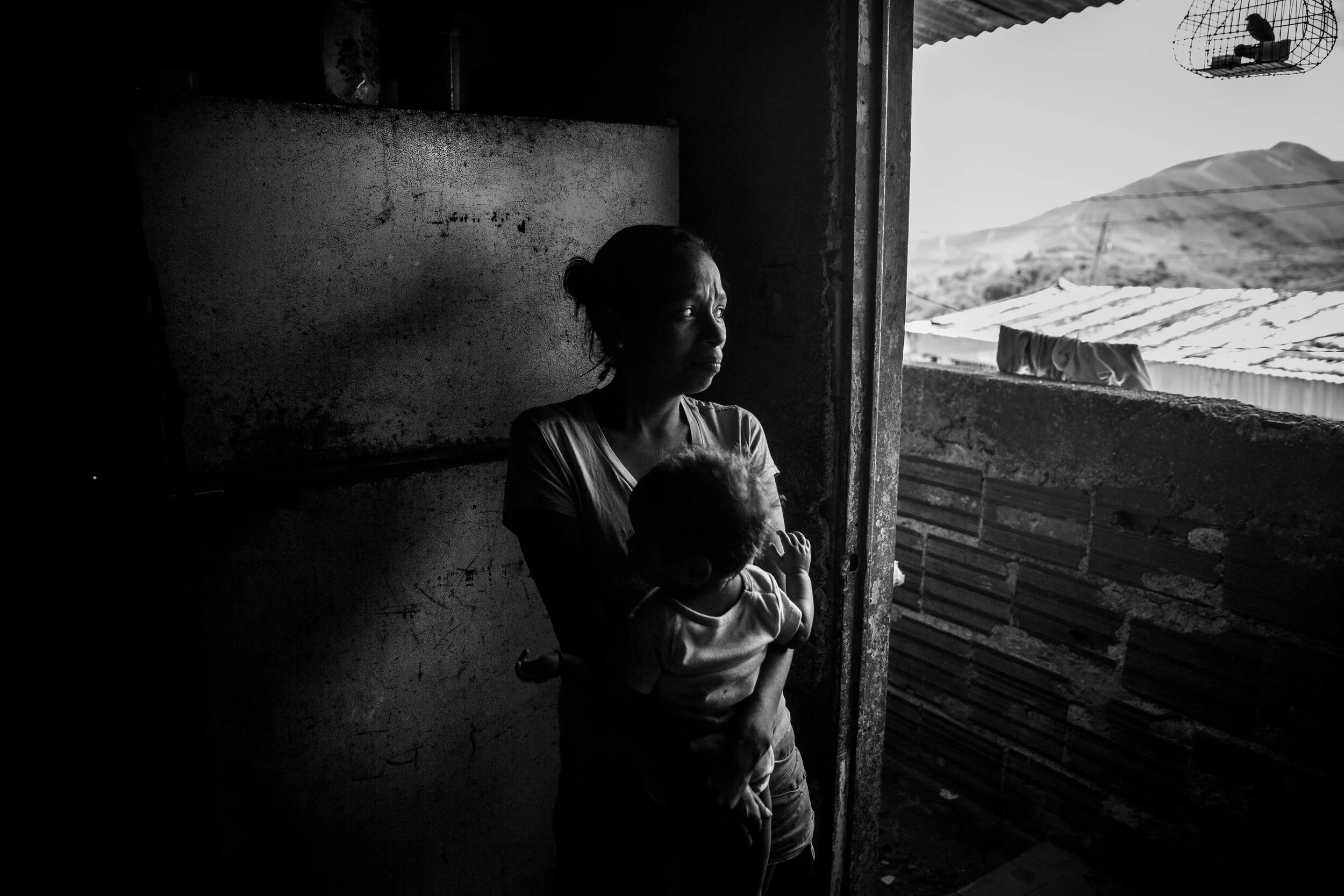
Under Hugo Chávez, who governed Venezuela from 1999 to 2013, the country experienced the largest economic boom in its history. Venezuela holds the world’s largest proven oil reserves, and Chávez took office just as oil prices surged during the 2000s. He used this windfall to nationalize key industries and expand social programs as part of his vision for a more equal, prosperous, and secure nation. However, by the end of his presidency, these policies proved unsustainable. The economy collapsed, the country became one of the most dangerous in the world, and corruption within the government became entrenched.
His successor, Nicolás Maduro, took the country into a spectacular decline. After oil prices collapsed in 2014, Maduro’s efforts to sustain expansive welfare programs led to massive government overspending and, ultimately, to hyperinflation.
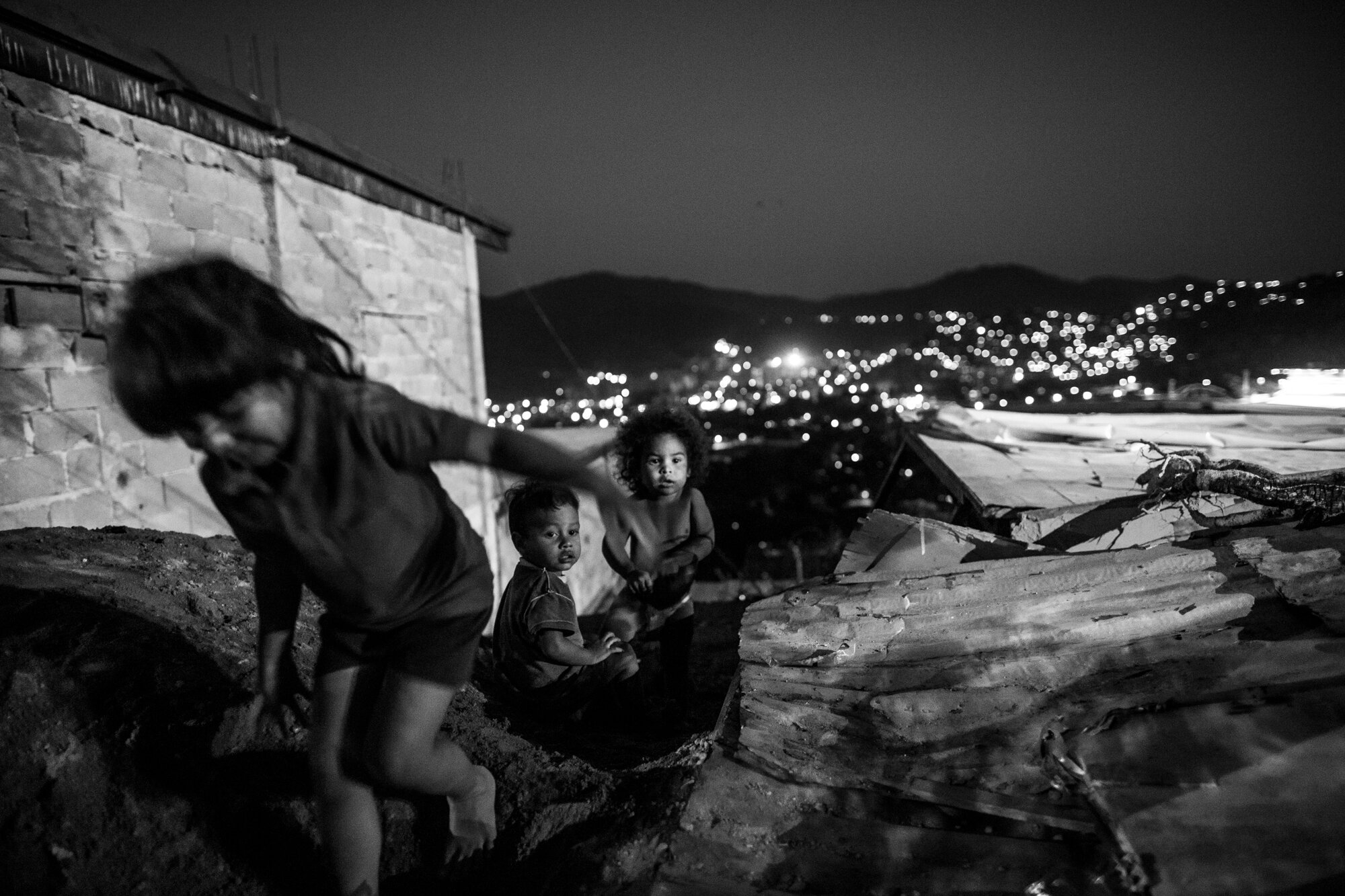
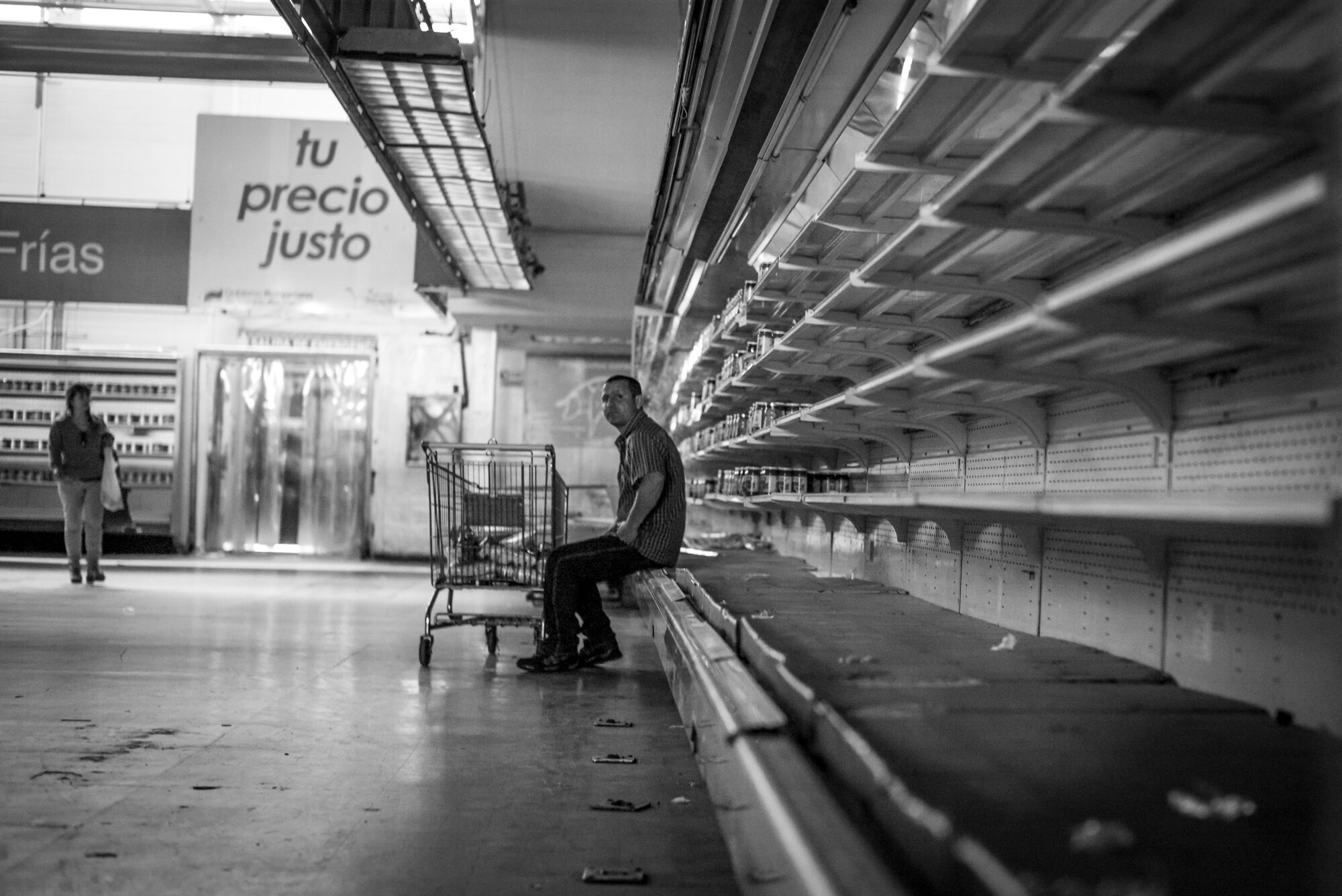
During the collapse, people waited in line for hours to obtain scarce, subsidized food. A monthly salary of about 10 dollars was not enough to buy it on the black market. Food shortages, which reached up to 80 percent, pushed entire families into hunger, leaving children malnourished, causing preventable deaths and, in some cases, leading to abandonment.
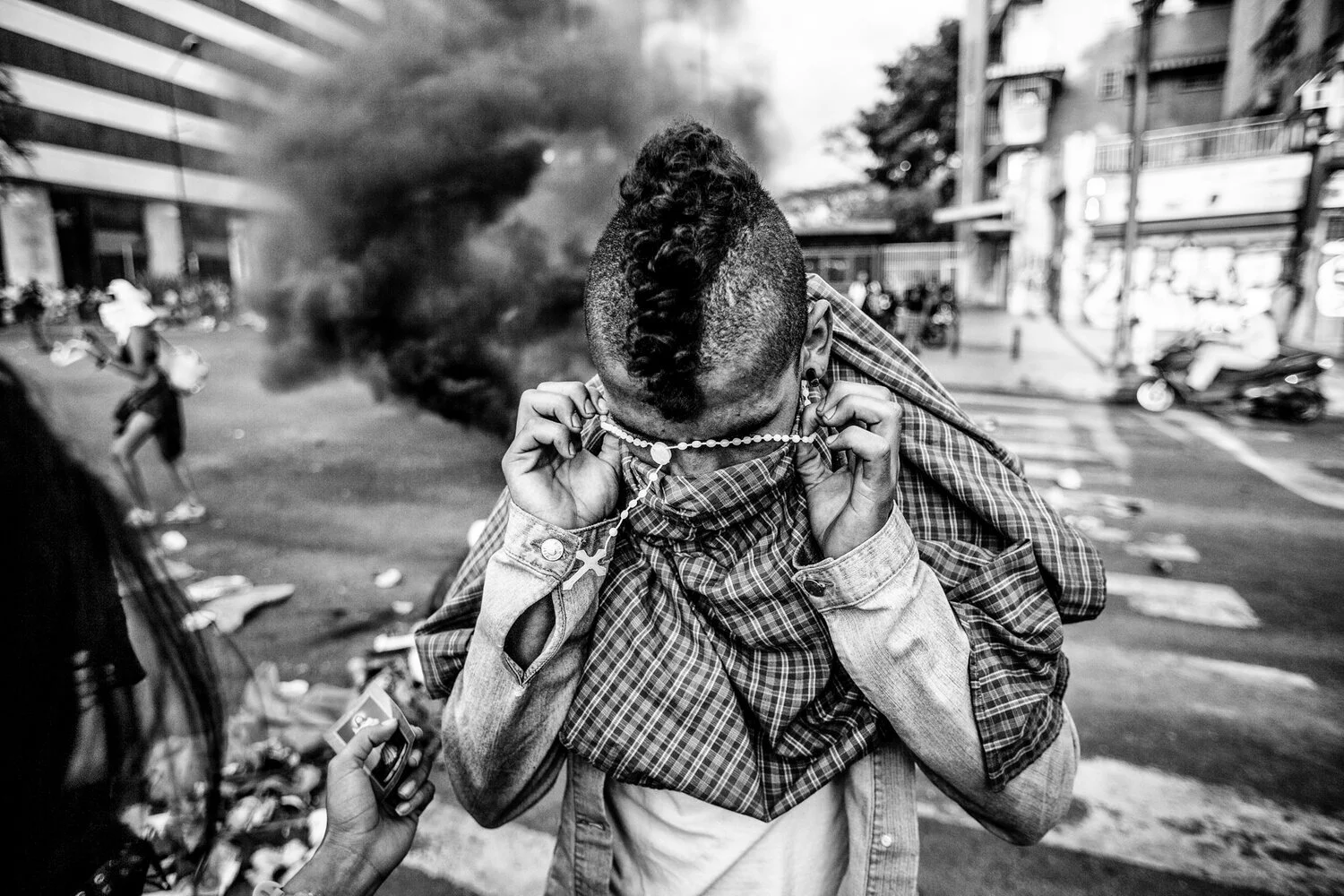
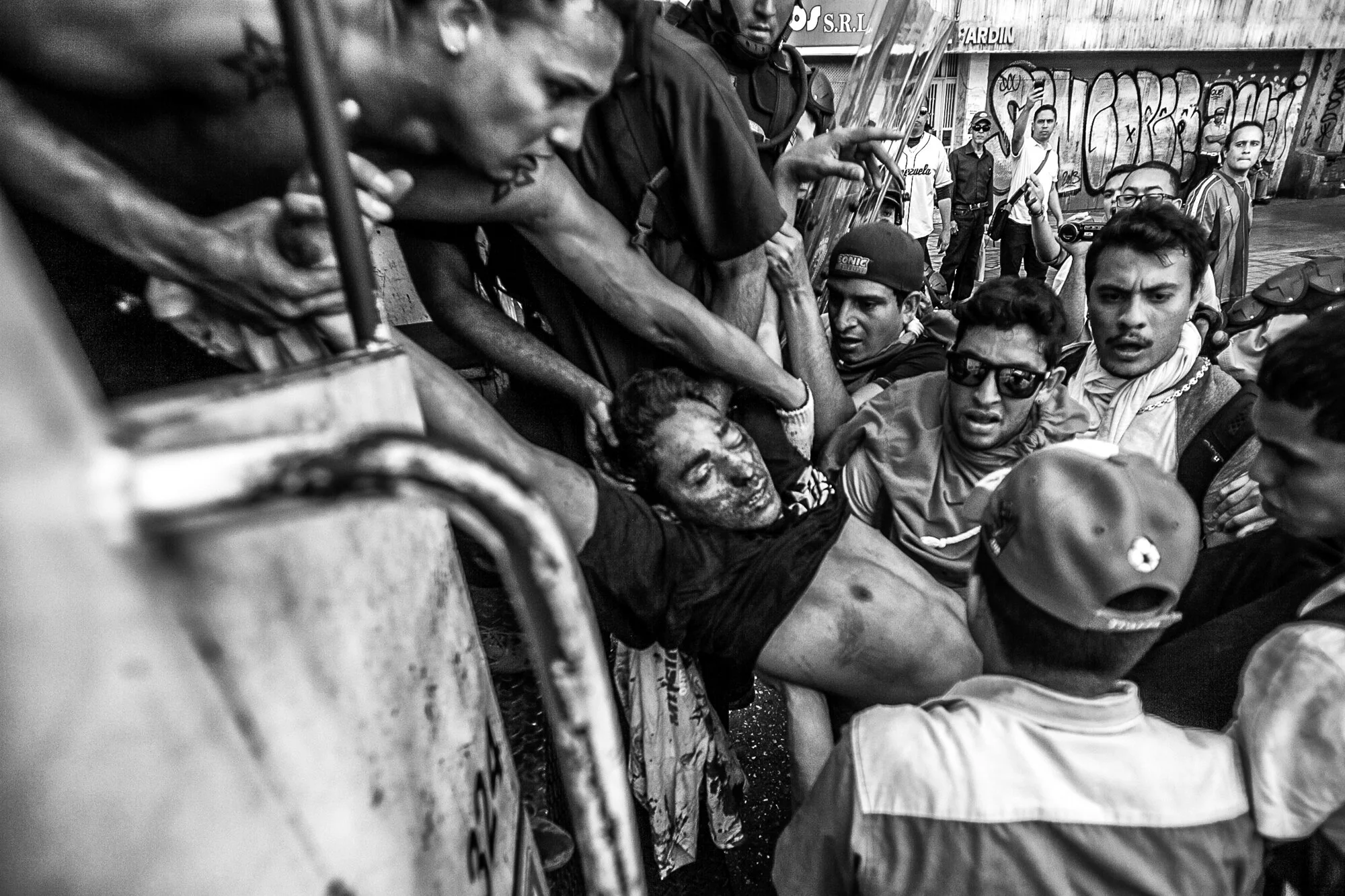
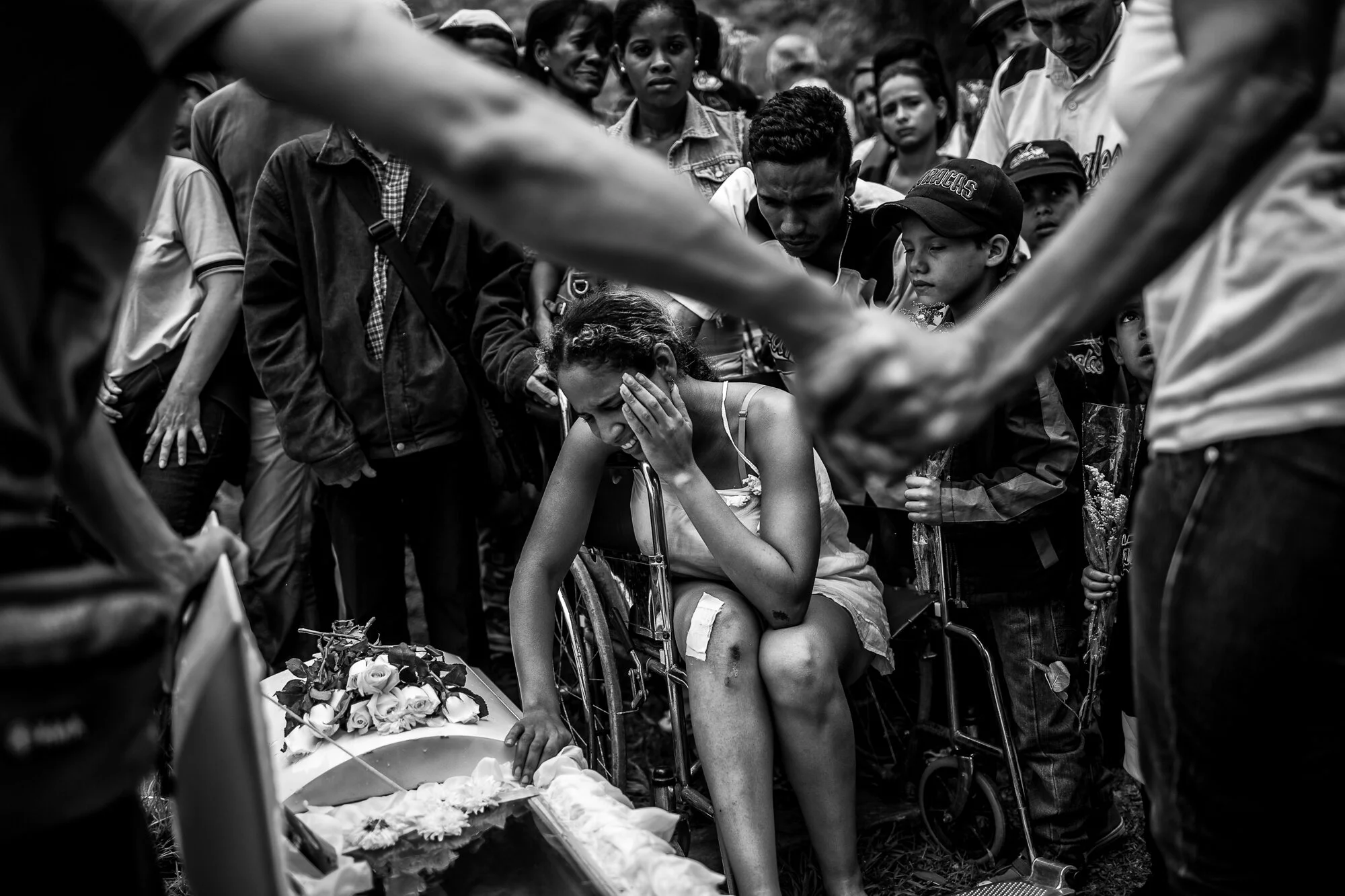
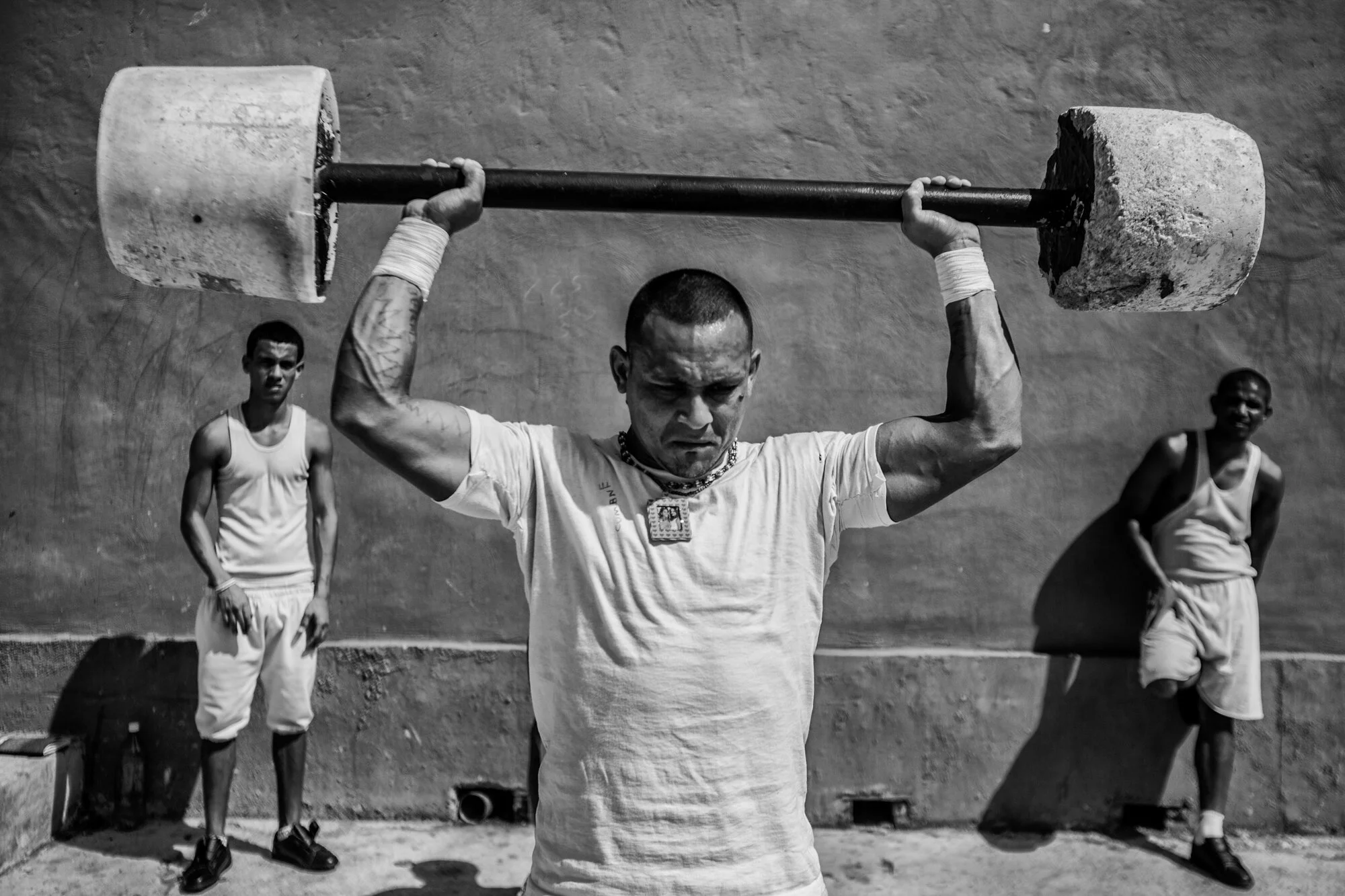
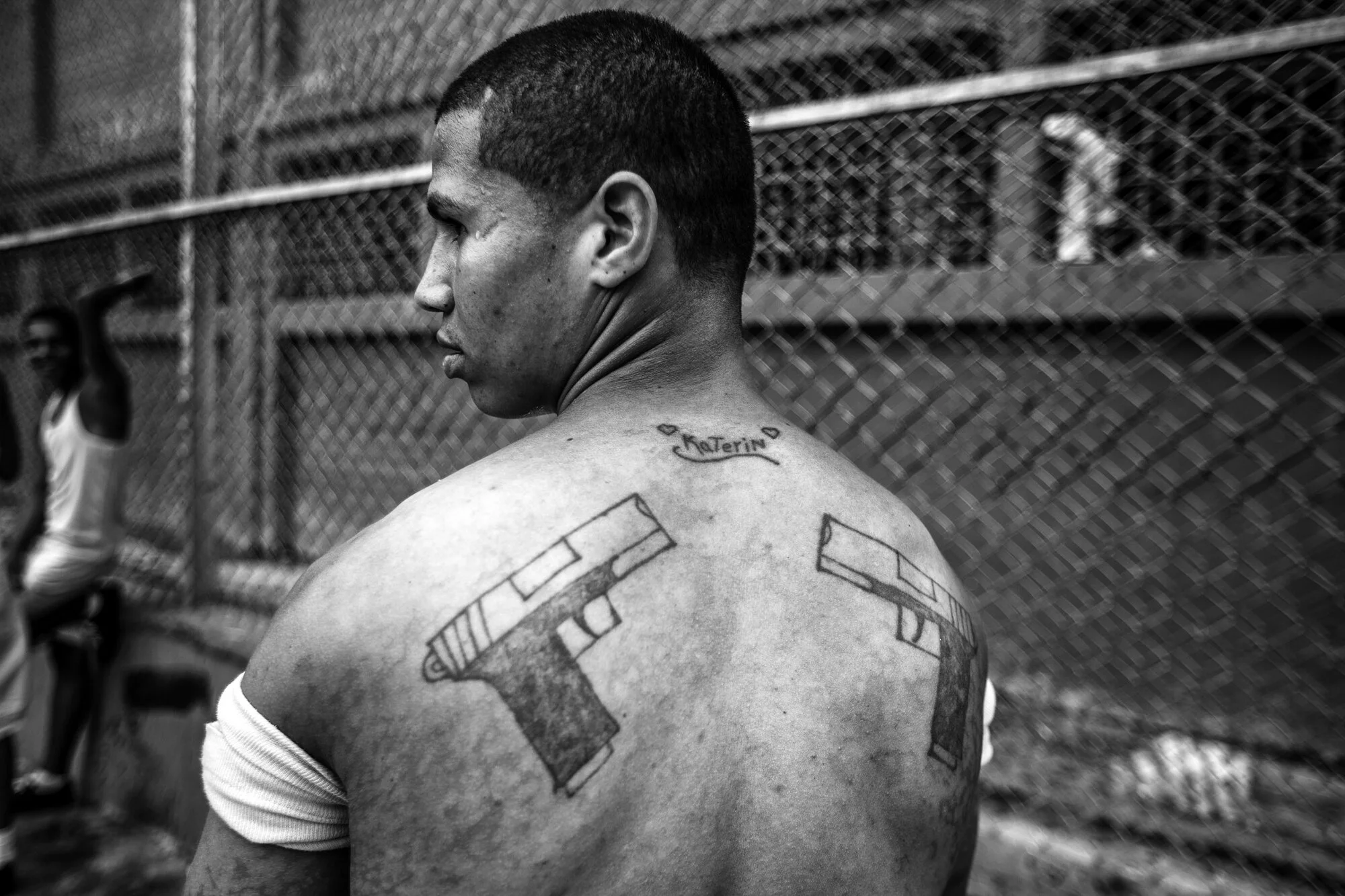
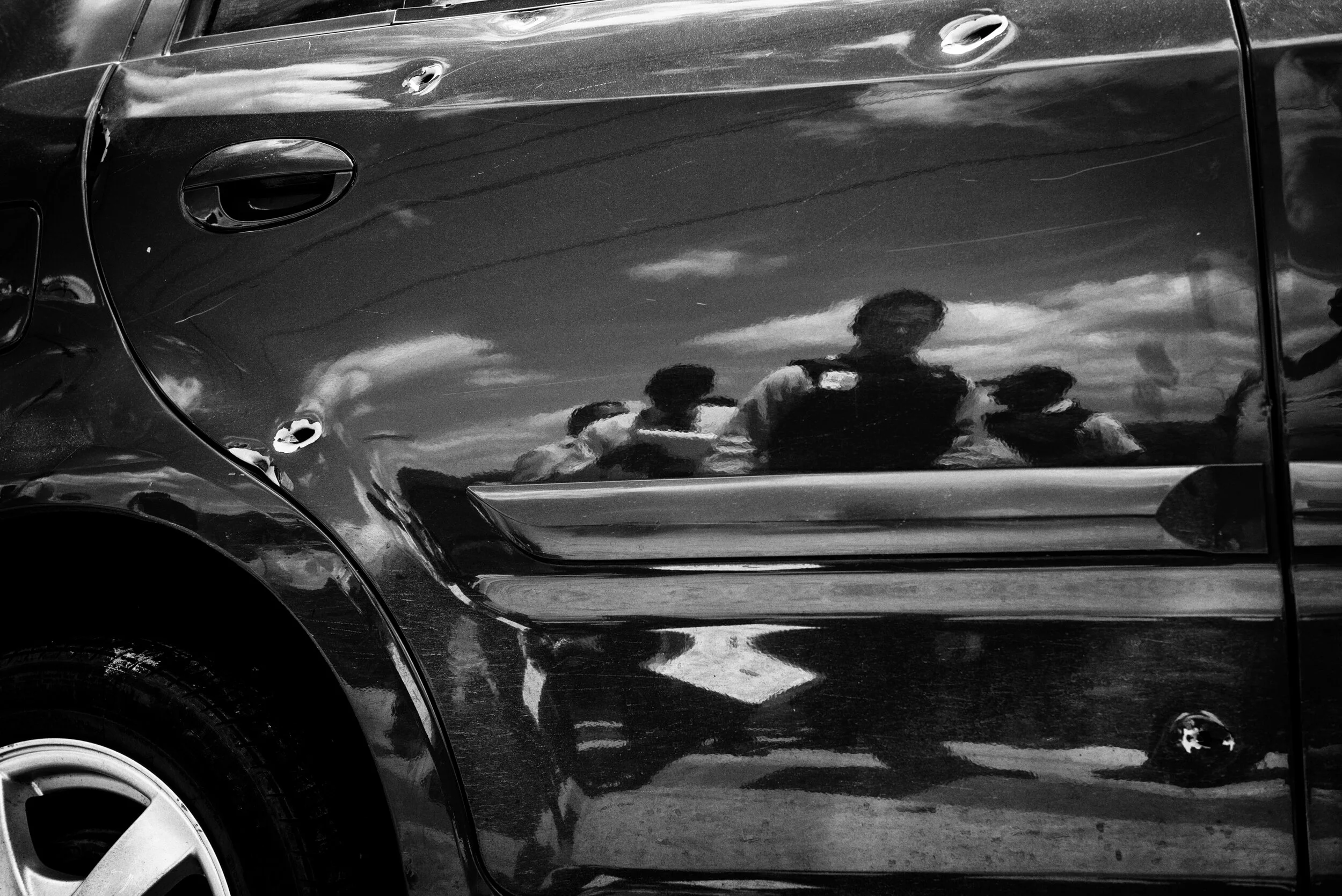
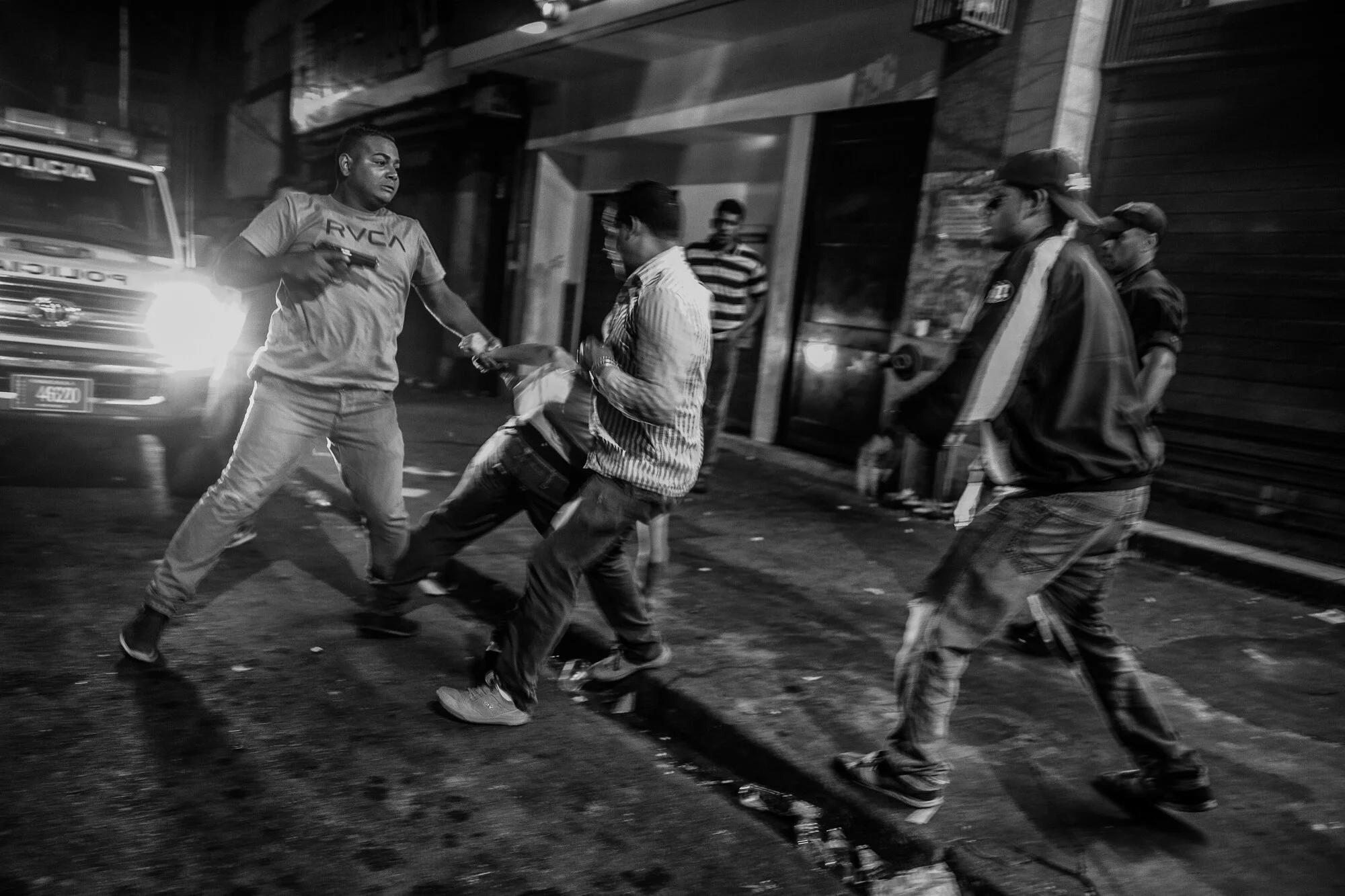
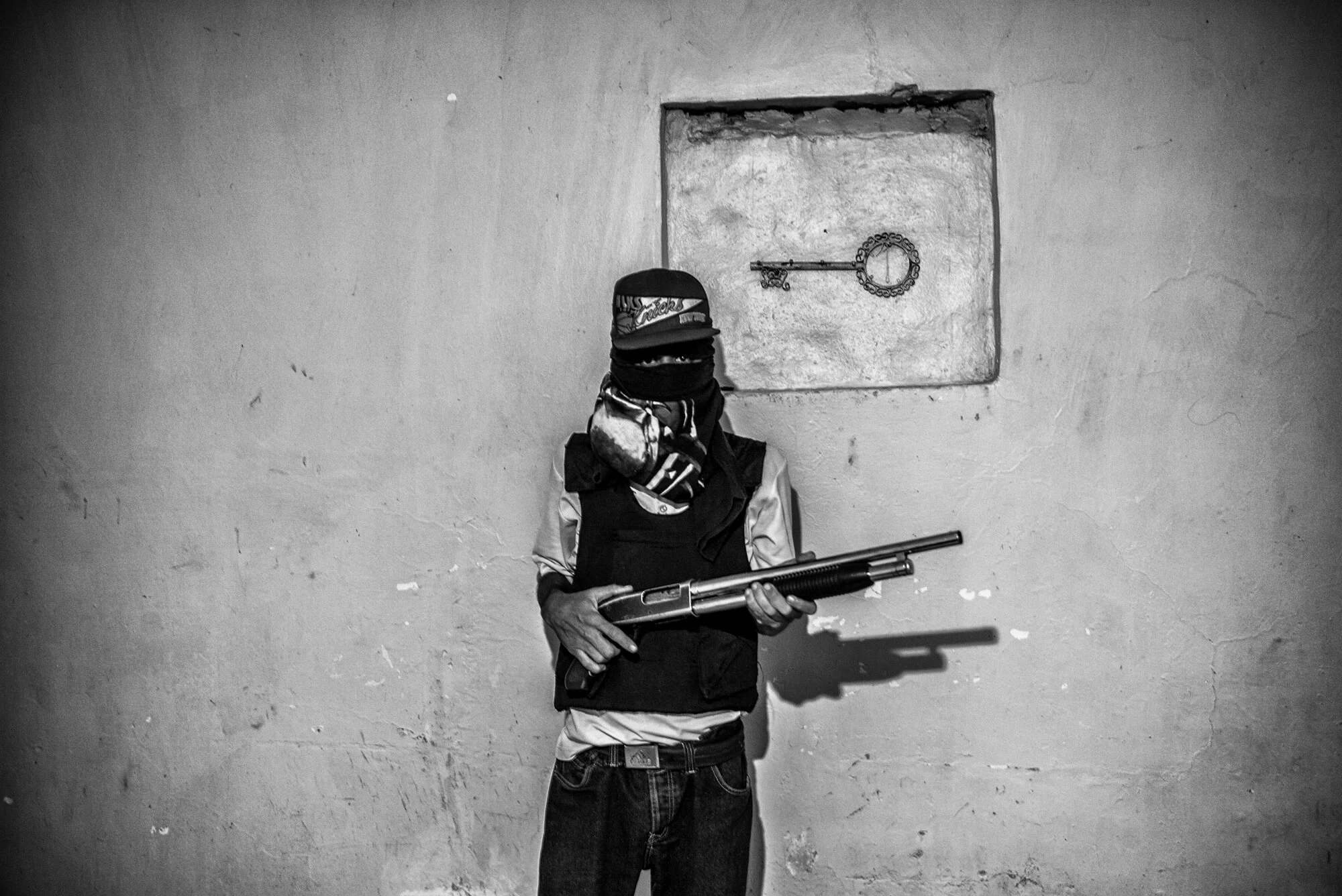
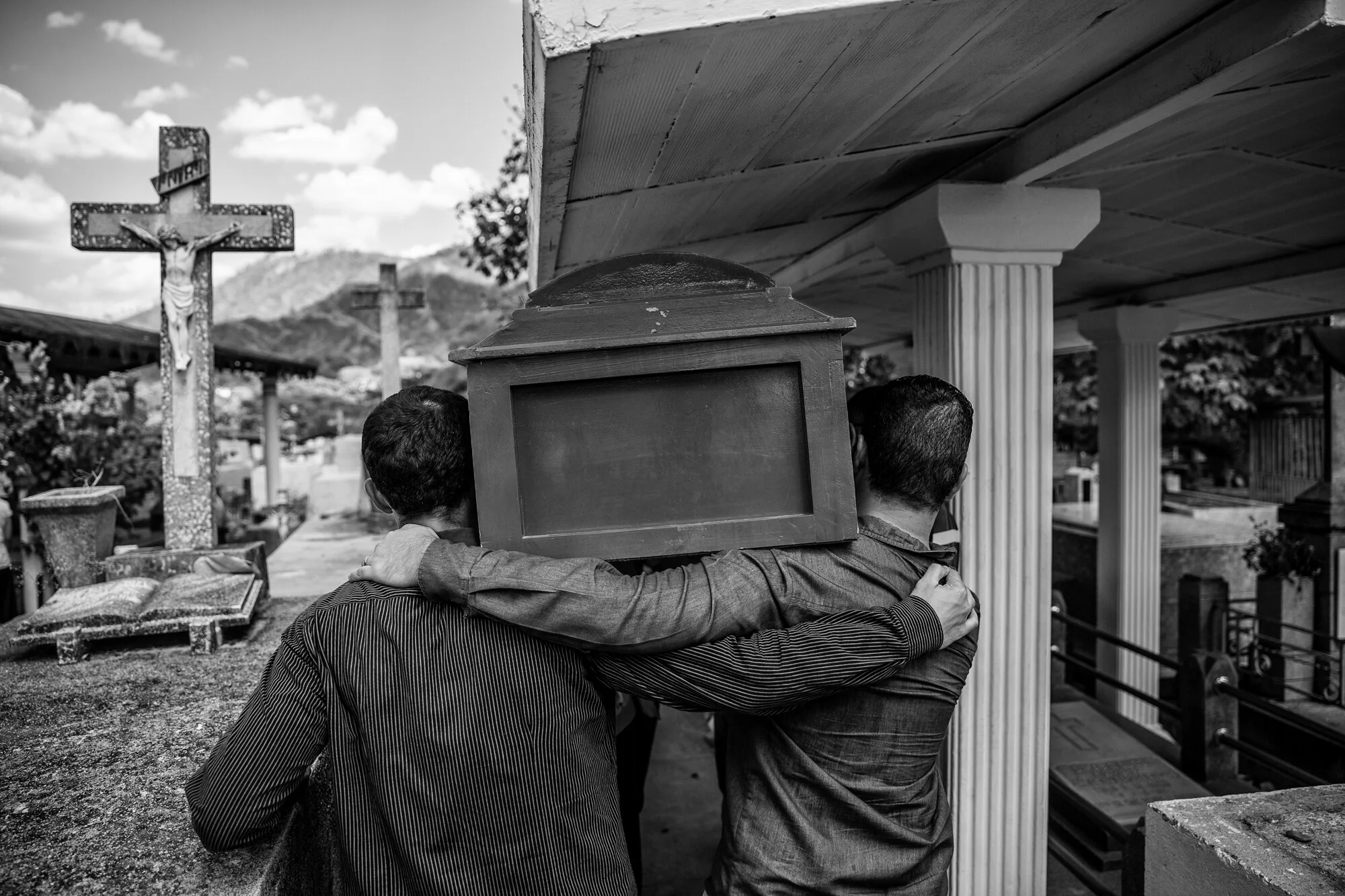
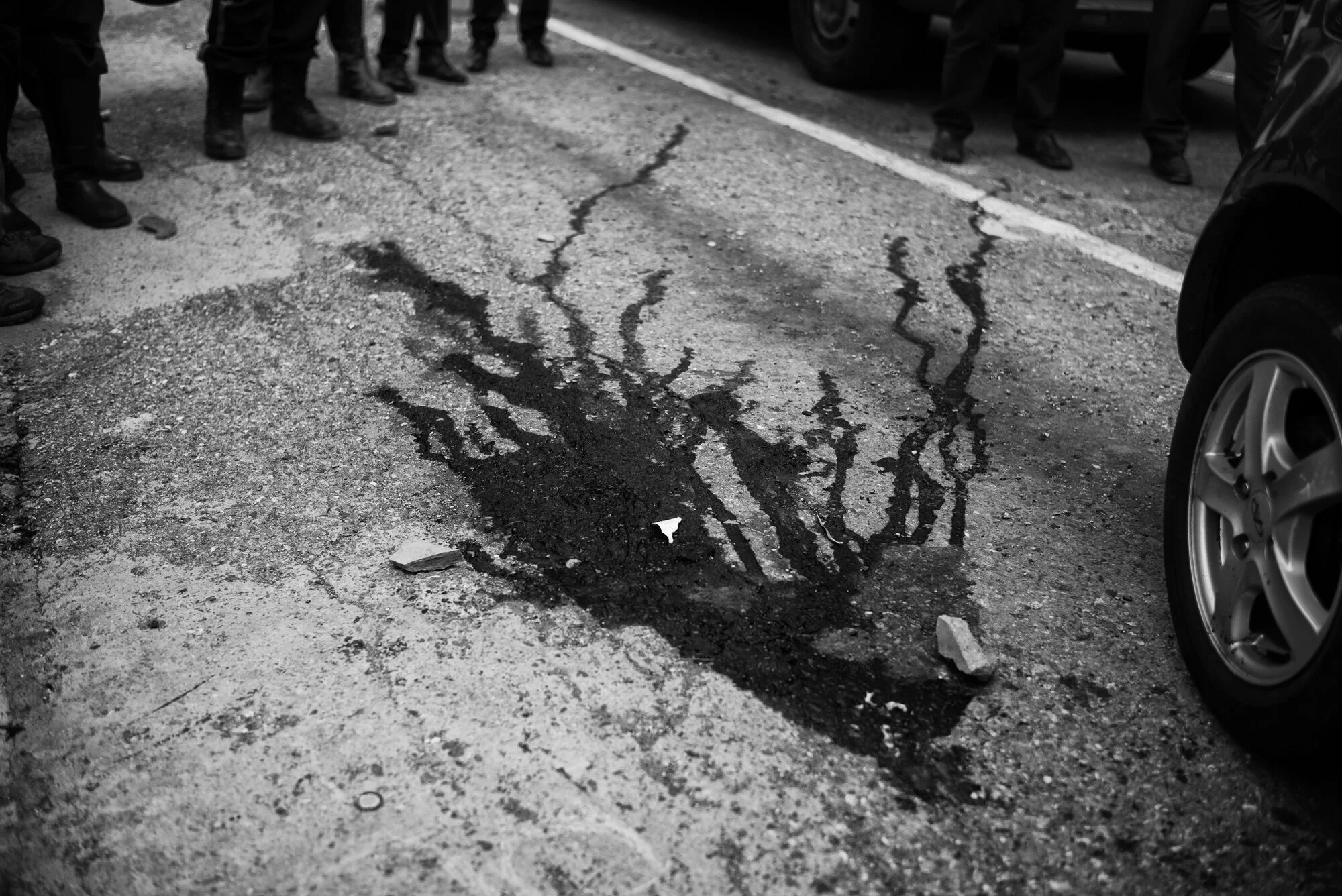
For years, violence continued to rise. Venezuela is among the most dangerous countries in the world to live in. The country appears to be at war with itself, with one of the highest murder rates globally. Each year, an average of 24000 Venezuelans die as a result of violent crime.
This is the slow motion collapse of Venezuela; a country that not so far away I used to call: home.